Turn Down the Risk: Simple Practices That Best Protect Your Hearing
Hearing is one of our most valuable senses, but in today’s noisy world, it’s also one of the most vulnerable. From concerts and AirPods to loud machinery, everyday sounds can pose a threat to the delicate structures inside your ears. Fortunately, with a few intentional habits, you can help reduce the risk of hearing damage and protect your hearing for years to come.
At Trahan ENT and Aesthetics, we believe in empowering patients with practical steps to safeguard hearing so you and your loved ones can enjoy life’s sounds clearly and comfortably.
4 Everyday Habits to Protect Your Hearing
Manage Noise: Use Protection and Mind the Volume
Whenever you expect prolonged exposure to loud sounds, such as attending concerts, mowing the lawn, or working at a construction site, use ear protection. Popular forms of protection include foam or silicone earplugs and earmuffs. The proper ear protection can significantly reduce the intensity of noise that reaches the eardrum.
When using headphones or earbuds, aim to keep the volume at or below 60% of the maximum. Limit your listening session to under an hour, then give your ears a break.
Recognize Recovery Time: Give Your Ears a Break
Even after exposure to loud noise, your ears need time to recover. A window of 18 hours or more of quiet time is recommended before returning to noisy environments again.
If you find yourself in a noisy environment, try to take short breaks in a quiet space. Your ears will thank you years from now.
Know Your Baseline
Many people don’t realize that their hearing is gradually declining, but getting a baseline hearing test establishes what’s normal for you now. This makes it easier to spot the early signs of hearing loss if they occur.
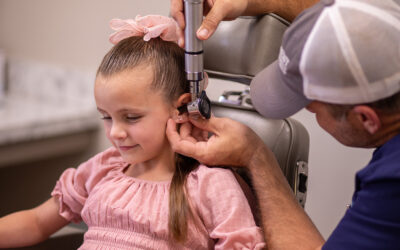
At Trahan ENT and Aesthetics, regular audiology check-ups enable our team to monitor hearing health and recommend protective measures or interventions as needed, which is especially beneficial for individuals with noise exposure at work or during hobbies.
Keep Up With Sound Hygiene Habits
Avoid inserting objects into the ear canal. They can irritate or damage delicate ear structures and push wax deeper, increasing the risk of injury or infection.
Use protective earplugs if you’re swimming or in environments where water enters the canal. Moisture can lead to infections that may affect hearing.
Be mindful of overall ear exposure, as everyday noises, household appliances, and repeated noise exposure can add up. Hearing protection is not limited to being needed at concerts and construction sites.
Key Takeaways
Once delicate hair cells in the inner ear are damaged, the damage is nearly always permanent. However, by practicing safe listening habits, using protection, and paying attention to early warning signs, you can drastically reduce the risk of noise-induced hearing loss, tinnitus, or other hearing issues.
Protecting your hearing isn’t just a one-off task. It’s a lifetime commitment. Our audiology and ENT specialists are here to support your journey to better hearing health. Whether you need a baseline hearing check, custom-fit ear protection, or personalized care, we’re committed to helping you preserve one of your most valuable senses.